

三菱電子中央空調(diào)廠家維修電話(三菱空調(diào)用英語怎么讀How to say air conditioning in Engl
In this article, we will explore the different ways to say "air conditioning" in English. We will discuss the origins of the term, explore various synonyms, cover regional variations, and delve into the technical terminology. By the end, you will have a comprehensive understanding of the different ways to express this concept in the English language.

The term "air conditioning" originated from the combination of two separate words: "air" and "conditioning." The concept dates back to ancient times when people used various methods to modify the air quality around them. However, the modern usage of the term can be credited to Stuart Cramer, an engineer, who first used it in 1906 to describe a system that controlled air quality, temperature, and humidity.
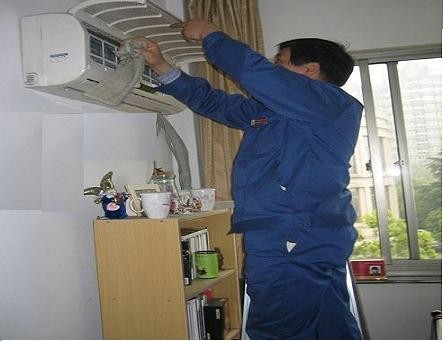
Since then, "air conditioning" has become the widely accepted term to describe systems that regulate indoor temperature and humidity levels. It has become increasingly essential in modern life, providing comfort and enabling productivity in various settings, such as homes, offices, and commercial spaces.
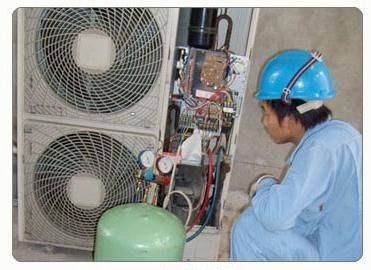
While "air conditioning" is the most commonly used term, there are several synonymous expressions that can be used to refer to the same concept. Some popular alternatives include "climate control," "cooling," and "AC" (an abbreviation for "air conditioning").
"Climate control" is a broader term that encompasses not only cooling but also heating and ventilation. It refers to systems that maintain a comfortable and consistent indoor environment regardless of external weather conditions. "Cooling" is a more general term and can be used to describe any method or system that lowers temperatures, including fans or evaporative cooling methods.
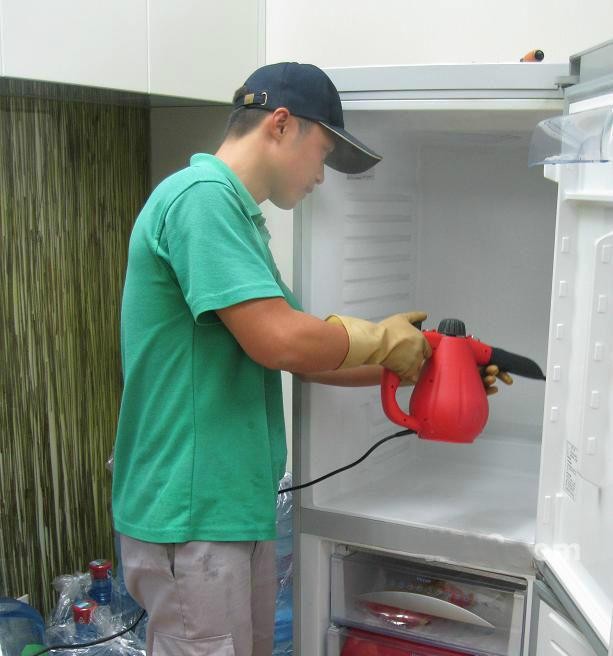
The abbreviation "AC" is often used in informal settings or in written communication. It is commonly understood to refer to air conditioning and is frequently used in advertisements, product descriptions, and everyday conversations.
English is spoken in many different countries with distinct regional variations in vocabulary. The term "air conditioning" is widely understood across these regions, but there are also variations in terminology that reflect local preferences.
In British English, the term "air conditioning" is commonly used, but "air con" is a more informal and abbreviated version. Similarly, Australians often use "air con" or the abbreviation "AC" in casual conversations. In North America, the term "AC" is frequently used, both in informal and formal contexts, as a shorthand for "air conditioning."

It is important to note these regional variations when communicating about air conditioning, especially in international settings, to ensure clear understanding between different English speakers.
Air conditioning systems come in various types, each with its technical name that describes the specific method used for cooling. Some common technical terms include "central air conditioning," "window unit," "split system," "ductless minisplit," and "evaporative cooler."
"Central air conditioning" refers to a system that cools an entire building or a large area through a network of air ducts and vents. The term "window unit" is used to describe a selfcontained air conditioning system mounted within a window or a hole in an exterior wall.
A "split system" consists of two separate units: an outdoor compressor and an indoor unit. It is a commonly used system in both residential and commercial settings. "Ductless minisplit" systems are similar to split systems but do not require ductwork, making them easier to install in older buildings or where space is limited.
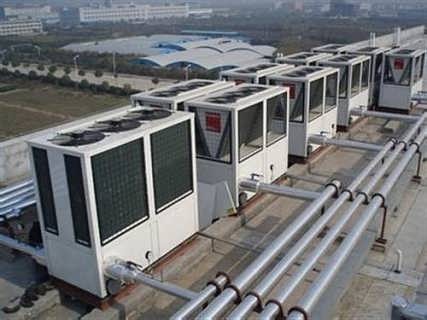
An "evaporative cooler," also known as a "swamp cooler," operates by evaporating water to cool the air. This type of system is more common in arid regions where humidity levels are low.
In conclusion, "air conditioning" is the widely accepted term to describe systems that regulate indoor temperature and humidity levels. However, alternatives such as "climate control," "cooling," and "AC" are also commonly used. Regional variations exist, with "air con" and "AC" being preferred in certain Englishspeaking countries. Technical terminology encompasses different types of systems like central air conditioning, window units, split systems, ductless minisplits, and evaporative coolers. Understanding these variations and technical terms will help facilitate effective communication about air conditioning in English.
- 1旭瓊防盜門400電話(旭瓊防盜門400電話:保障家居安全的首選!)
- 2家用發(fā)電機(jī)接線怎么接線圖解(家用發(fā)電機(jī)接線圖解)
- 3志高空調(diào)e8故障修理(志高空調(diào)e8故障修理指南)
- 4海口Haier空調(diào)全國統(tǒng)一服務(wù)熱線(如何快速聯(lián)系客服解決問題)
- 5lg洗衣機(jī)顯示de故障(LG洗衣機(jī)顯示DE故障?一文教你如何快速解決)
- 6彩電ul12機(jī)芯什么意思(彩電ul12機(jī)芯解讀)
- 7Carrier廠家售后電話24小時人工電話號碼(開利空調(diào)外機(jī)會出水怎么辦開利空調(diào)外
- 8TICA空調(diào)維修(如何進(jìn)行TICA空調(diào)維修:專業(yè)技巧與故障排除指南)
- 9三菱重工中央空調(diào)24小時服務(wù)電話(三菱空調(diào)故障代碼DH如何診斷和修復(fù))
- 10嘉興林內(nèi)熱水器24小時服務(wù)熱線電話(如何聯(lián)系客服并解決常見問題)
-

-
6月13日主要金店黃金報價:周生生為1020元克,中國黃金為969元克
2025-06-13
-
臺風(fēng)+暴雨+山洪 中央氣象臺多預(yù)警齊發(fā)
2025-06-12
-
9大球星遺憾無緣世俱杯:C羅、內(nèi)馬爾領(lǐng)先,亞馬爾、薩拉赫在列
2025-06-12
-
全球超算排名:中國不再參與更新,神威太湖之光掉至21名
2025-06-12